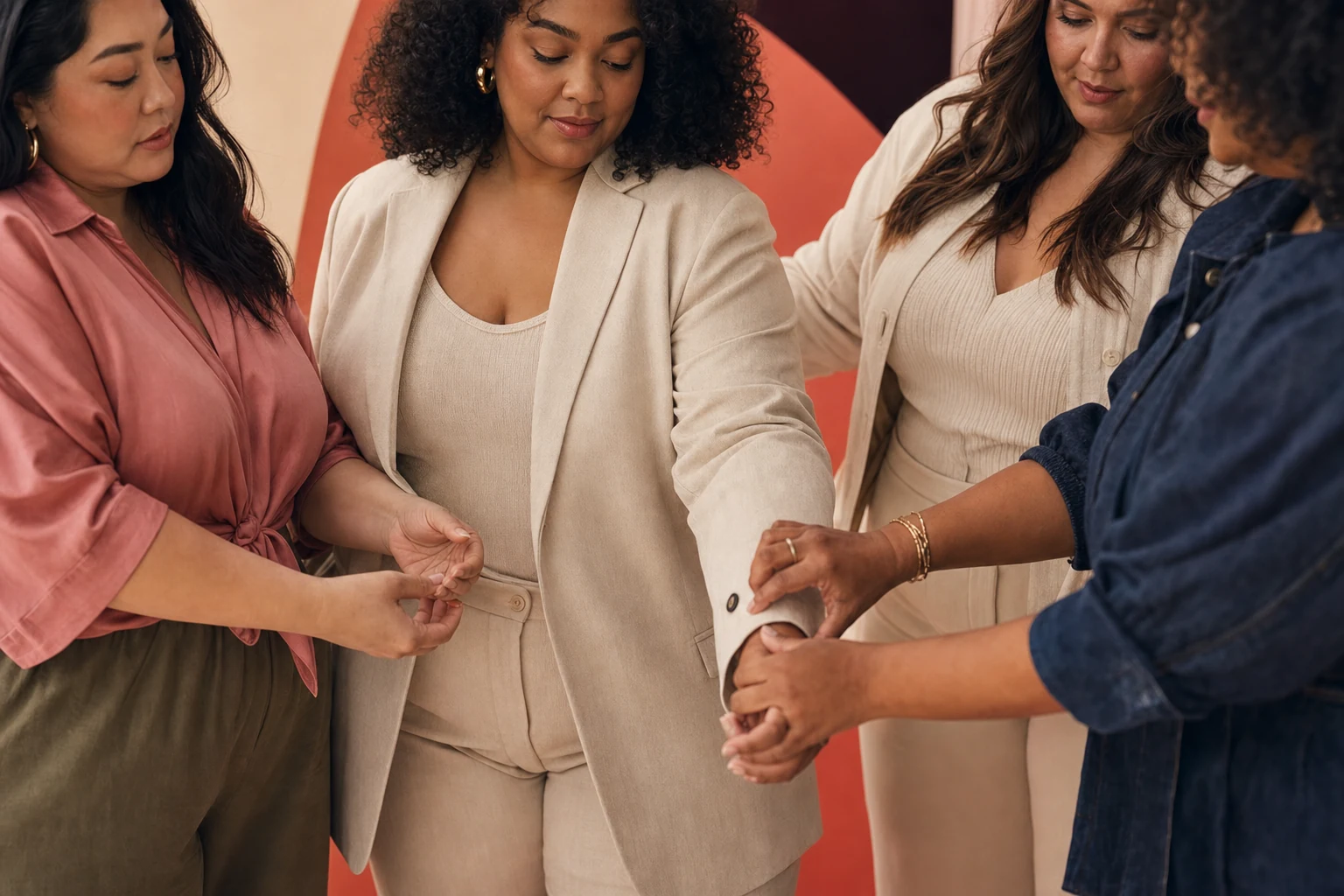
A curvy body carries weight differently across knees and ankles than a smaller frame, which makes choosing genuinely comfortable shoes a matter of real support, not just looks. A handful of construction details separate a shoe that feels fine in the store from one that still feels fine after eight hours on your feet.
Sneakers with full-length cushioning
Look for sneakers with cushioning along the entire sole, not just the heel — it distributes weight better while walking and reduces stress on knees and back over time. A shoe that only cushions the heel tends to shift more impact onto the ball of the foot with every step, which adds up noticeably over a long day of standing or walking.
Removable insoles: a hidden advantage
A style with a removable insole lets you swap in a custom orthotic if you need one, without having to change shoes entirely. It's a small feature that's easy to overlook while shopping, but it gives you a lot more flexibility later if your support needs change or if a podiatrist recommends a specific insert.
Structured flats for the office
A loafer or flat with a bit of internal structure (not completely flat and soft) offers more arch support than a shoe with no support at all. Fully flexible, soft-soled flats might feel comfortable for the first hour but tend to leave your feet fatigued by the afternoon, since they don't hold the arch in a stable position through repeated steps.
Wide, low heels beat stilettos
If you love heels, a wide 1 to 1.5 inch heel spreads weight over a larger surface than a stiletto, reducing fatigue over a full day. A block heel or wedge distributes pressure even further, which is why they tend to be the more practical choice for events that involve standing for long stretches, like a wedding reception or a work conference.
Toe box shape affects comfort as much as heel height
A narrow, pointed toe box compresses the front of the foot regardless of how supportive the rest of the shoe is, and it's often the real source of discomfort in a shoe that otherwise looks well-made. A rounder or squared toe box gives your toes room to spread naturally with each step, which matters even more on a curvy frame carrying more weight through the forefoot.
Breaking in new shoes without regretting it
Wearing a new pair for short stretches at home before committing to a full day out lets you catch a rubbing seam or a stiff area while you can still return the shoes. It's a habit that saves a lot of discomfort compared to only discovering a fit issue halfway through an event where changing shoes isn't an option.
Rotating between two or three pairs
Wearing the same pair of shoes every day compresses the cushioning faster and doesn't give the material time to fully recover its shape between wears. Rotating between two or three pairs, even similar styles, tends to extend the life of each pair while also reducing the repetitive strain on the same part of your foot day after day.
Ankle and arch support for high-impact days
On days that involve a lot of walking or standing, a sneaker with reinforced ankle support and a firmer arch structure reduces the strain that builds up in the lower leg over several hours. It's a detail worth prioritizing especially for travel days, long shopping trips, or events like festivals where you know you'll be on your feet for most of the day without much chance to sit down.
Reading reviews specifically for width and volume
Shoe reviews that mention width and overall volume, not just length, tell you far more than a star rating alone about whether a style will actually work for a fuller foot or higher instep. Brands that offer wide-width options explicitly, rather than only standard width across all their styles, tend to be a safer starting point if fit has been an ongoing issue in the past.
Frequently asked questions
Do I need different shoes for different types of days?
Having at least one supportive sneaker for high-activity days and one polished flat or low heel for work or dressier occasions covers most needs without requiring a large shoe collection.
Are expensive shoes always more comfortable?
Not necessarily. Price sometimes reflects brand and materials rather than genuine support, so checking for the specific features mentioned here, cushioning, insole, toe box shape, matters more than the price tag alone.
The bottom line
The right comfortable shoe for a curvy body comes down to full-length cushioning, proper insole support, a forgiving toe box, and — if you choose heels — a wide base rather than a stiletto. Support comes first, but you'll often find both style and comfort in the same pair once you know what to check for.
Find styles in the CurvyIndex comfortable shoes directory.