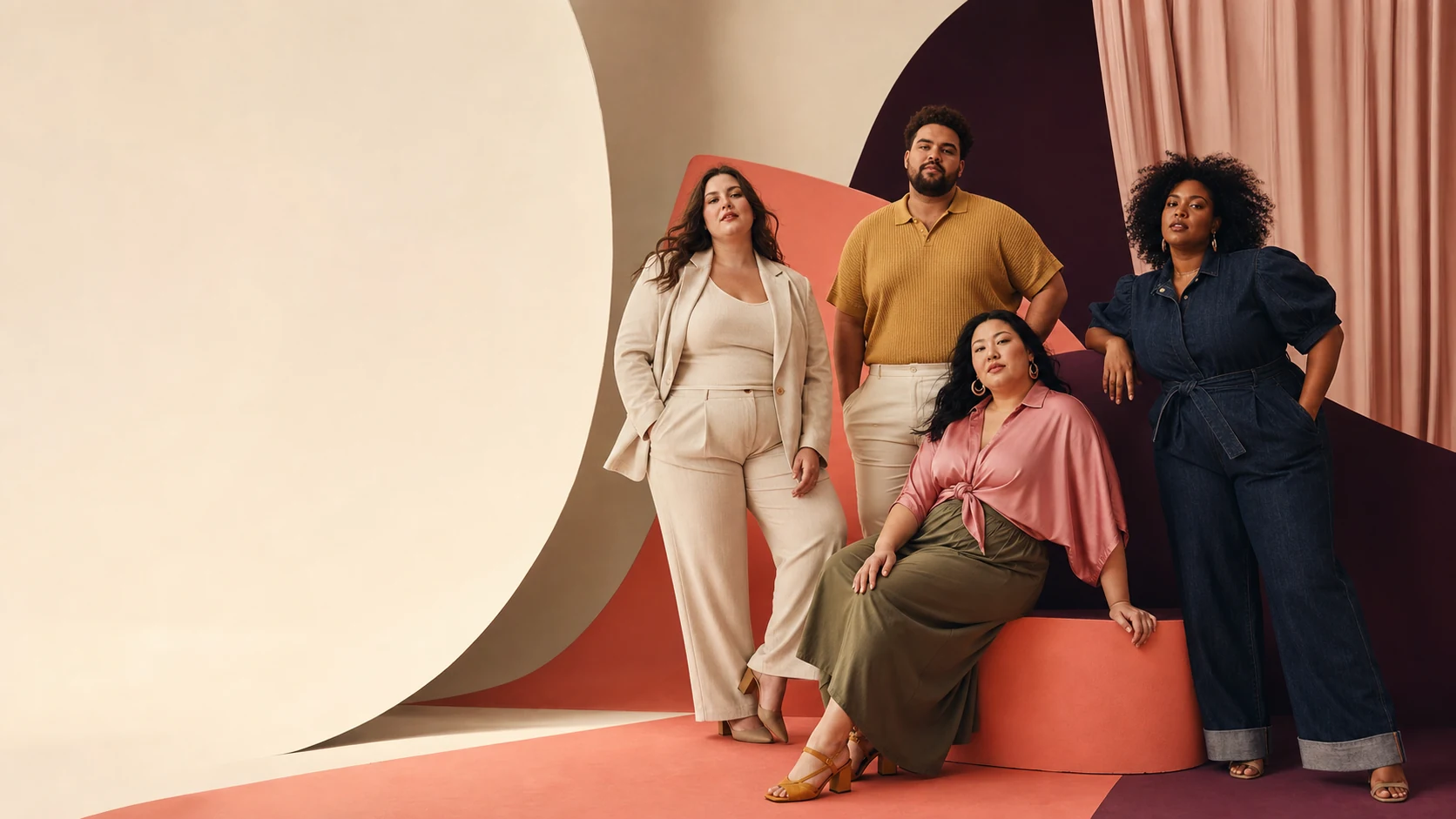
The wrap dress is one of the few pieces that genuinely adapts to the body wearing it, instead of forcing the body to adapt to a fixed cut. It's a design that's stayed relevant for decades for a good reason, and understanding exactly why makes it easier to choose one that actually delivers on the promise.
The structural reason it works so well
The crossover closure at the front adjusts fit in real time — you can tie it tighter or looser depending on how you feel that day, with no need for in-between sizes or tailoring. That flexibility is particularly useful for a body that fluctuates somewhat month to month, since the same dress can accommodate a slightly different fit without ever looking like it doesn't belong to you.
Defines the waist without an extra belt
The fabric crossover naturally creates a waist-defining point, without needing a separate belt that might pinch uncomfortably. This is part of why the wrap dress reads as flattering on such a wide range of body shapes: the definition comes from the garment's own structure rather than from a rigid design choice that assumes one specific proportion.
The right fabric: jersey or viscose with a bit of stretch
A quality jersey or viscose with a small elastane percentage holds the dress's shape without feeling too tight or too loose. Avoid overly stiff fabrics, which don't move well with the wrap's crossover design and tend to gap or pull at the closure point instead of draping smoothly across the body.
A practical detail: check the neckline depth
With movement, the wrap neckline tends to loosen slightly through the day. If you prefer more coverage, look for styles with a hidden interior snap for extra security, a detail that's become common enough in well-made wrap dresses that it's worth actively seeking out if this has been a concern for you in the past.
Choosing a print versus a solid for a wrap dress
A solid-colored wrap dress is the most versatile starting point, easy to dress up or down with accessories. A printed version, particularly one with a diagonal or asymmetric pattern that follows the wrap line, can enhance the shape even further, since the print draws the eye along the same flattering diagonal the closure already creates.
Styling a wrap dress for different occasions
At the office, a wrap dress in a more structured jersey paired with a blazer reads as polished and professional. For an evening event, the same silhouette in a more fluid viscose with a bit of shine at the fabric level shifts the whole look toward something dressier, without needing an entirely different garment.
Sizing considerations specific to wrap styles
Because the fit is partly adjustable through the tie, it's worth paying slightly more attention to the bust and shoulder measurements than to the waist when choosing a size, since those areas aren't adjustable in the same way the wrap closure allows. A brand's specific size chart for its wrap styles is usually more reliable here than assuming your regular size across every silhouette.
A wrap dress works across a wide range of body proportions
Because the design doesn't depend on hitting one exact waist measurement to look intentional, a wrap dress tends to flatter a much wider range of proportions than a structured, seamed dress does. Whether your waist is sharply defined or your proportions are more straight through the middle, the diagonal wrap line creates the impression of shape either way, which is part of why it's recommended so consistently across very different body types.
Caring for a wrap dress so the tie holds its shape
The self-tie belt on a wrap dress gets pulled and knotted daily, which means it's one of the first parts of the garment to show wear. Hand-washing or using a gentle machine cycle, and avoiding wringing the fabric tightly when wet, helps the tie keep its shape and prevents the fabric from thinning out at the point where it gets knotted most often.
Frequently asked questions
Do wrap dresses work for petite or plus-size-and-tall frames equally well?
Yes, though the exact wrap point may need slight tailoring depending on torso length. Most wrap dresses are designed with some built-in adjustability that accommodates a reasonable height range without alteration.
Is a faux-wrap style (no actual tie) just as flattering?
It can be, since it mimics the same visual diagonal line, though it loses the adjustable fit benefit of a true wrap. It's a reasonable alternative if you prefer not to deal with retying a belt throughout the day.
The bottom line
The wrap dress works on curvy bodies because it adapts to the body, not the other way around. A good fabric with a touch of stretch, paired with attention to bust and shoulder fit, is really all it takes for it to work at its best.
Discover wrap dresses in the CurvyIndex directory.